The Breath of God
What’s in a name?
In Genesis 17, God reiterates and expounds on promises he gave Abram 24 years before. Then He changes Abram’s name.
My promise is still with you. You will become the father of many nations. So your name will no longer be Abram [Exalted Father], but Abraham [Father of Many] because I have made you a father of many nations. I will give you many descendants. Many nations and kings will come from you. I will make my promise to you and your descendants for generations to come as an everlasting promise. I will be your Elohim and the God of your descendants. Genesis 17: 4-7, Names of God Translation
He changes Sarai’s name, as well.
Elohim said to Abraham, “Don’t call your wife by the name Sarai anymore. Instead, her name is Sarah [Princess]. I will bless her, and I will also give you a son by her. I will bless her, and she will become a mother of nations, and kings will come from her. Genesis 17: 15-16, Names of God Translation
What significance did the name changes have? They’re both tied to the promise God gave that nations and kings would come from them. “. . . because I have made you a father of many nations, . . .” and “. . .she will become a mother of nations, and kings will come from her.”
Let’s drive this point home. According to the Brown-Driver-Briggs Lexicon, Sarai is the name of a barren mountain! And yet as Sarah, she gives birth to Isaac.
But can we dig a little deeper?
These names weren’t completely new and different like Simon becoming Peter or Jacob becoming Israel. These were little tweaks. Abram became Abraham and Sarai became Sarah. The Lord gave them just a little something. Something you might overlook or stumble over. What was it? The Hebrew letter “heh.”
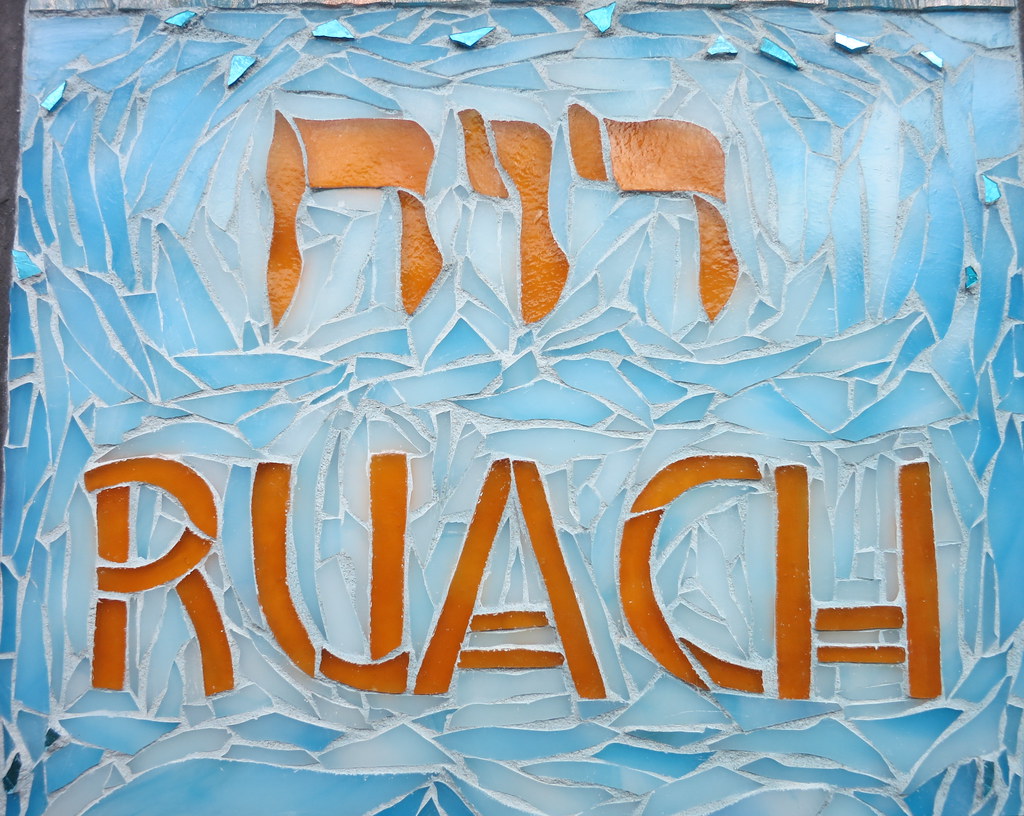
 Say it out loud. “Heh.” What does it sound like? A breath?
In Hebrew, every letter has significance as a concept. This Chuck Missler video explains it well. Start at the 34 minute mark for the full, mind-blowing explanation.
In a nutshell, “heh” can bear the meaning of wind or spirit. Often, it signifies the Ruach, the breath of God, the Holy Spirit.
By inserting a “heh,” El Shadday put His Spirit into their names. Selah.
The Lord put His breath in them. Does that sound familiar?
Then Yahweh Elohim formed the man from the dust of the earth and blew the breath of life into his nostrils. The man became a living being. – Genesis 2:7, Names of God Translation
And this?
Yeshua said to them again, “Peace be with you! As the Father has sent me, so I am sending you.” After he had said this, he breathed on the disciples and said, “Receive the Holy Spirit. John 20:21-22, Names of God Translation
What does the Spirit do?
It is the Spirit who gives life; the flesh provides no benefit; the words that I have spoken to you are spirit, and are life. – John 6:63, NASB
After Abraham and Sarah received the Ruach, the breath of God, Sarah, the barren woman, brought forth Isaac, the beginning of the fulfillment of God’s promise.